Ironclad
  • Construction Services
    • General Contracting
    • Construction Management
    • Design-Build
    • Ground-Up Construction
    • Renovations
    • Emergency Restorations
  • Industries
    • Commercial Buildings/Offices
    • Education
    • Manufacturing and Industrial
    • Healthcare
    • Hospitality
    • Government/Municipalities
  • Federal Contracting
  • Projects
    • Department of Veteran Affairs
  • About Us
    • Blog
    • Safety
    • Leadership Team
    • Areas We Serve
      • Springfield
      • Boston
      • Albany
      • Raleigh
      • Columbia
      • Manchester
      • Westhaven
    • Careers
  • Contact
  • (413) 693-1371
  • Menu Menu
  • Link to LinkedIn

Reviewing the Key Steps in the Commercial Building Restoration Process

Imagine walking into your commercial property on a Monday morning, only to find ankle-deep water or smoke lingering in the air. Every minute you spend panicking is another minute your business isn’t operating, and another minute you’re potentially losing revenue.

Reviewing the Key Steps in the Commercial Building Restoration Process

Getting back on track requires a clear, methodical approach that starts with quick assessments and ends with a fully restored building. The faster you take action, the higher your chances of reducing long-term damage and ensuring a smooth recovery.

Why Acting Fast Matters

Commercial buildings are complex ecosystems. They have multiple floors, intricate HVAC systems, extensive wiring, and sometimes large-scale machinery. When a disaster strikes—whether it’s a burst pipe, fire, or storm damage—every second counts. Water can spread behind walls and under floors, fire-damaged materials may release lingering contaminants, and structural issues can snowball if they aren’t stabilized immediately.

Acting quickly keeps repair costs from escalating and helps safeguard everyone who enters the property. A slow response can lead to hazards like mold growth, compromised wiring, or even partial collapses in severe cases. By knowing the key steps to take and getting professional help early, you reduce the chance that a minor problem becomes a massive one.

Immediate Steps to Take After a Disaster

Let’s break down the most crucial steps to recover your commercial property after a disaster:

Step 1: Ensure Safety Above All Else

The first priority is making sure everyone is safe and out of danger. For some disasters, like fires or major flooding, you’ll want to evacuate the building until it’s clear the immediate threat has passed. If it’s safe to do so, shut off utilities like water or electricity to prevent further damage or hazards. Always follow local guidelines on whether it’s safe to re-enter the building.

Step 2: Conduct an Initial Assessment

Once you’re certain everyone is safe, do a quick visual inspection—without putting yourself at risk. Look for signs of structural damage, lingering fire hazards, or potential gas or water leaks. Avoid moving items until you’re certain it’s okay, because shifting debris might expose you or your team to hidden hazards. This initial check helps you understand the scope of the damage, but it’s only the beginning of what’s needed for a full recovery.

Step 3: Call Commercial Building Restoration Experts

Even if you have a well-trained in-house team, there are limits to what they can handle when it comes to large-scale emergencies. Professional restoration companies specialize in handling flood, fire, and storm damage for buildings of all shapes and sizes. Their expertise includes rapid mitigation, detailed assessments, compliance knowledge, and specialized equipment that can thoroughly address major damages. The sooner you bring them in, the sooner you can stop the spread of damage and start the real work of repairing your property.

Breaking Down the Commercial Restoration Process

Now that we’ve talked about immediate steps to take, let’s break down what comes next when conducting emergency restorations for a commercial building.

Step 1: Conduct a Complete Damage Investigation

A professional damage investigation goes far beyond your initial glance. Restoration teams typically use advanced tools like moisture meters, infrared cameras, and specialized testing kits. These methods help uncover issues hidden behind walls, under floors, or in electrical and ventilation systems. Without this thorough diagnosis, you could miss a leak in a wall or a damaged support beam that might cause bigger problems later.

An experienced team will also assess potential health hazards, like mold or structural weaknesses. If floodwaters have traveled through multiple floors, the investigation identifies every spot where water is trapped. If you’ve experienced fire or smoke damage, the team checks every room for lingering debris and contaminants. A complete investigation sets the foundation for effective remediation.

Step 2: Mitigate and Stop Further Damage

After the investigation, the immediate priority is to keep things from getting worse. If water is still entering the building, technicians locate and seal the source. They might work from the “outside in,” a process that ensures you’re not accidentally pushing water or debris deeper into the building. The goal is to prevent additional damage, such as secondary flooding, mold growth, or collapsing materials.

Mitigation also includes removing standing water, clearing out debris, and, in some cases, boarding up damaged windows or doors to protect against the elements. If electrical lines are compromised, those areas are taped off or disconnected to avoid electrical fires or shocks.

Step 3: Stabilize the Property

Stabilizing a disaster-stricken building is critical, especially during that critical 48-hour window after major water damage. Without fast drying and dehumidification, mold can begin to form, which turns into another layer of costly damage. Technicians often use powerful fans and industrial dehumidifiers to circulate air, lowering moisture levels and preventing rot. During this phase, any unstable walls, floors, or ceilings are supported or sectioned off until permanent repairs can be made.

Step 4: Begin Strategic Cleanup and “Mud Cuts”

Once the building is stable, thorough cleanup begins in earnest. One technique often used after water or flood damage is the “mud cut,” where restoration professionals cut drywall at or slightly above the baseboard level. This approach opens walls so they can be properly dried and disinfected, which is key to preventing mold or mildew from growing later. During this stage, anything that’s damaged beyond repair is removed from the site, making room for full restoration.

The emphasis is on saving as much as possible while ensuring that the areas that must be stripped down are handled methodically. By removing only what’s necessary, restoration becomes more efficient and less expensive. Proper disposal of damaged materials is also vital, especially if they’re contaminated or considered hazardous waste.

Step 5: Complete Restoration and Recovery

After mitigation, stabilization, and cleanup, the final stage is restoring the building to its pre-disaster condition—or better. This might include replacing drywall, repainting walls, or installing new flooring. For more extensive damage, reconstruction might require new wiring, plumbing, or structural elements. This is where professional expertise shines, ensuring that the materials and craftsmanship match or exceed the original standards.

A thorough commercial building restoration not only covers aesthetics but also ensures safety and compliance. If local building codes have changed since the property was constructed, now is the time to address those requirements. By aligning with updated standards, you reduce the risk of future hazards and potential legal penalties.

How Quickly Can You Resume Operations?

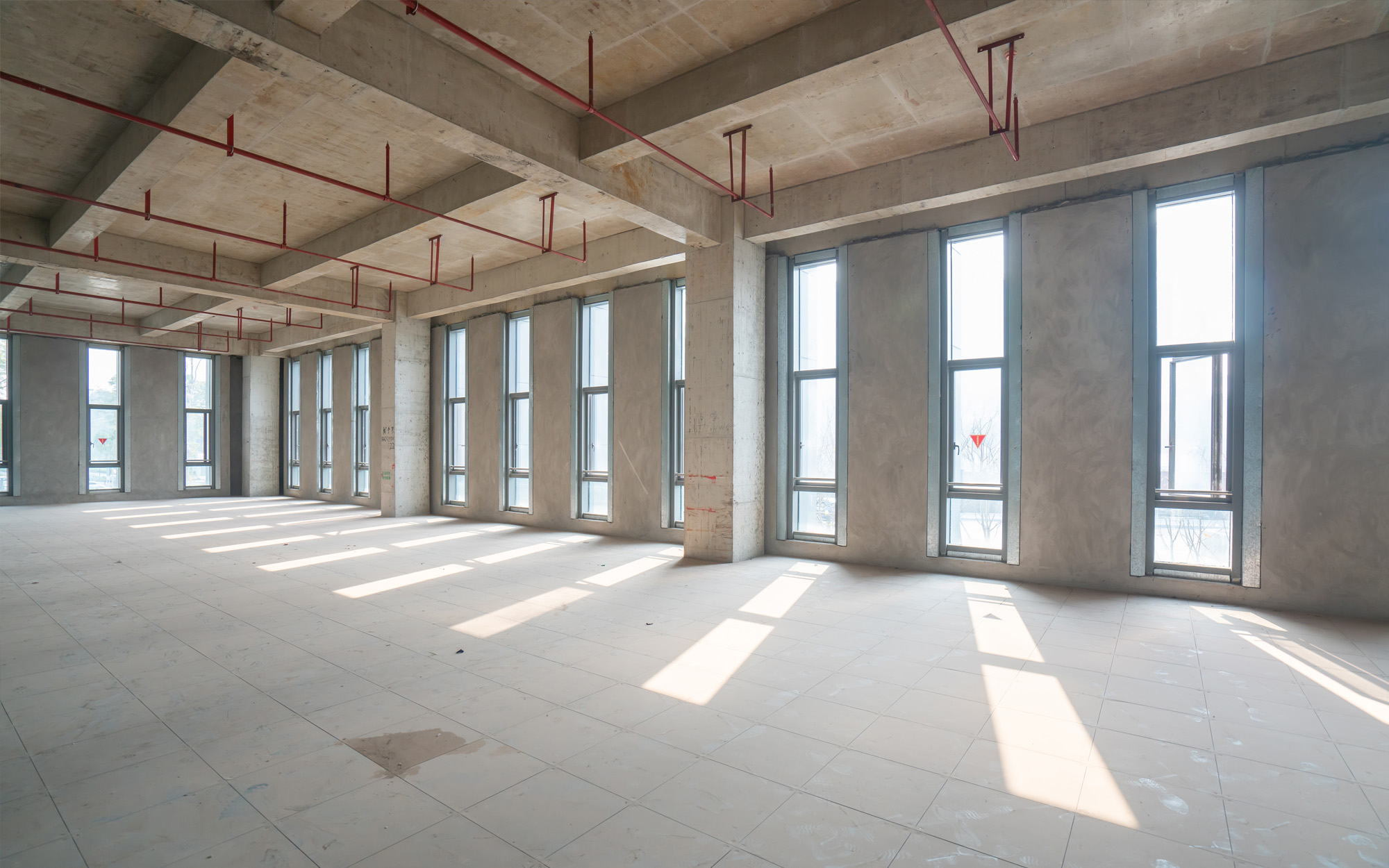
The timeframe for a commercial building to reopen depends on many factors, including the severity of the damage, the size of the facility, and how quickly restoration teams are brought in. A minor flood in a small office suite might require only a few days of drying and basic repairs, while widespread fire damage in a multi-story building could take weeks or even months.

Speed to service is crucial, which is why getting professionals involved as soon as possible often pays off in the long run. They have the manpower, equipment, and processes in place to ramp up quickly. This keeps the timeline tight and helps your business or property return to normal sooner.

Ready to learn more about reducing downtime and avoiding complications after a disaster? Find out how Ironclad’s experts can streamline the recovery process so you can focus on getting back to business.

Ironclad’s Emergency Restoration

Why Planning Matters

Even the best commercial building restoration team can only do so much if a business isn’t prepared for a crisis. Having a well-documented commercial disaster response plan in place can mean the difference between a swift return to operations and a lengthy scramble to patch things up.

A solid plan outlines evacuation procedures, contact lists for key personnel, and details about who to call for commercial building restoration services. It might also include information on important electrical or plumbing shutoffs, plus data backup protocols that keep critical information safe even if servers are damaged. By investing time in planning, property managers and business owners can protect employees, minimize chaos, and save money when every second counts.

The Role of Professional Expertise

Some property managers consider handling minor incidents with their own maintenance staff, which can sometimes work for small leaks or contained damage. However, major disasters require specialized knowledge. Experienced restoration pros have handled floods that saturate multiple floors and fires that leave extensive smoke and soot behind. They’re trained to coordinate with insurance providers, deal with complex documentation, and apply cutting-edge commercial building restoration techniques.

Professional help also ensures compliance with local regulations, such as health department standards for mold removal or safety requirements for rebuilding. Rather than taking on all of these responsibilities yourself, you can lean on seasoned crews who do this work daily. The result is often lower overall costs, less downtime, and a more dependable outcome.

Don’t Let a Disaster Disrupt Your Operations

Reach out to Ironclad Services today and discover how an experienced team can guide you through each step of the emergency restoration process, from initial damage assessment to final repairs. Protect your operations and your bottom line by connecting with knowledgeable experts who know exactly how to handle whatever challenges come your way.

Share This Post

  • Share on Facebook
  • Share on X
  • Share on Pinterest
  • Share on LinkedIn
  • Share on Tumblr
  • Share on Vk
  • Share on Reddit
  • Share by Mail

More Like This

scafolding on restored commercial building

Commercial Building Restoration: What Every Business Owner Needs to Know

Commercial Restoration, Emergency Restoration Services
https://www.ironcladservices.com/wp-content/uploads/2026/05/scafolding-on-restored-commercial-building.jpg 1250 2000 Abstrakt Marketing /wp-content/uploads/2022/11/IroncladlogoBW-300x74.png Abstrakt Marketing2026-05-20 16:32:522026-05-20 16:32:57Commercial Building Restoration: What Every Business Owner Needs to Know
Industrial building under construction

The Hidden Costs of Delaying Your Commercial Building Restorations

Emergency Restoration Services
https://www.ironcladservices.com/wp-content/uploads/2025/06/Industrial-building-under-construction.jpg 1250 2000 Abstrakt Marketing /wp-content/uploads/2022/11/IroncladlogoBW-300x74.png Abstrakt Marketing2025-06-09 17:18:272026-05-20 16:34:27The Hidden Costs of Delaying Your Commercial Building Restorations
Construction workers in industrial facilities

Top Challenges in Restoring Manufacturing Facilities—and How to Overcome Them

Emergency Restoration Services
https://www.ironcladservices.com/wp-content/uploads/2025/06/Construction-workers-in-industrial-facilities.jpg 1250 2000 Abstrakt Marketing /wp-content/uploads/2022/11/IroncladlogoBW-300x74.png Abstrakt Marketing2025-06-09 11:37:202025-10-02 15:23:58Top Challenges in Restoring Manufacturing Facilities—and How to Overcome Them
Close up Cracked concrete building or pillar cement wall

How to Spot Structural Damage in Large Buildings After a Natural Disaster

Emergency Restoration Services
https://www.ironcladservices.com/wp-content/uploads/2025/06/Close-up-Cracked-concrete-building-or-pillar-cement-wall.jpg 1250 2000 Abstrakt Marketing /wp-content/uploads/2022/11/IroncladlogoBW-300x74.png Abstrakt Marketing2025-06-06 11:33:592025-06-06 11:34:03How to Spot Structural Damage in Large Buildings After a Natural Disaster
exterior of a modern small office building

A Guide to Commercial Building Emergency Response Plans

Emergency Restoration Services
https://www.ironcladservices.com/wp-content/uploads/2025/05/exterior-of-a-modern-small-office-building.jpg 1250 2000 Abstrakt Marketing /wp-content/uploads/2022/11/IroncladlogoBW-300x74.png Abstrakt Marketing2025-05-22 16:47:532025-05-22 16:47:57A Guide to Commercial Building Emergency Response Plans

Comparing Your Industrial Restoration Options: Professional Restoration Services Vs. DIY

Emergency Restoration Services
https://www.ironcladservices.com/wp-content/uploads/2025/04/Comparing-Your-Industrial-Restoration-Options.jpg 1250 2000 Abstrakt Marketing /wp-content/uploads/2022/11/IroncladlogoBW-300x74.png Abstrakt Marketing2025-04-18 08:41:142025-04-18 08:42:18Comparing Your Industrial Restoration Options: Professional Restoration Services Vs. DIY

Why Disaster Recovery Is Complicated for Large Operations

Emergency Restoration Services
https://www.ironcladservices.com/wp-content/uploads/2025/03/How-Ironclad-Provides-Emergency-Industrial-Restoration-Services-After-Disasters.jpg 1250 2000 Ike Oji /wp-content/uploads/2022/11/IroncladlogoBW-300x74.png Ike Oji2025-03-28 15:17:062025-06-06 11:34:50Why Disaster Recovery Is Complicated for Large Operations
Fire Damage Restoration: Identifying and Preventing Industrial Fire Risks

The Most Common Causes of Fire in Industrial Facilities

Emergency Restoration Services
https://www.ironcladservices.com/wp-content/uploads/2025/03/Fire-Damage-Restoration-Identifying-and-Preventing-Industrial-Fire-Risks.jpg 1250 2000 Abstrakt Marketing /wp-content/uploads/2022/11/IroncladlogoBW-300x74.png Abstrakt Marketing2025-03-27 13:31:382025-03-27 13:31:42The Most Common Causes of Fire in Industrial Facilities
Restoration Services Recovery Timeline: How Long Does It Take to Get a Business Back to Normal

How Long Does It Take to Return to Business?

Emergency Restoration Services
https://www.ironcladservices.com/wp-content/uploads/2025/03/Restoration-Services-Recovery-Timeline-How-Long-Does-It-Take-to-Get-a-Business-Back-to-Normal.jpg 1250 2000 Abstrakt Marketing /wp-content/uploads/2022/11/IroncladlogoBW-300x74.png Abstrakt Marketing2025-03-27 13:25:462025-03-27 13:26:39How Long Does It Take to Return to Business?
Previous Previous Previous Next Next Next

Categories

  • Commercial Construction
  • Commercial Restoration
  • Construction Scheduling
  • Contractor Selection
  • Damage Assessment
  • Design-Build
  • Disaster Recovery
  • Emergency Restoration Services
  • ESG
  • General Contracting
  • Masonry
  • Pre Construction
  • Regional Strategy
  • Remodel / Renovations
  • Risk Management
  • Safety
  • Uncategorized

Contact Us

"*" indicates required fields

Location

Address

1500 Main St., Suite 2004
Springfield, MA 01115


Get In Touch

Phone
413.693.1371

Email
builders@ironcladservices.com

Construction Services

General Contracting

Construction Management

Design-Build

Ground-Up

Renovations

Emergency Restorations

About Us

Ironclad Services is a full-service commercial construction contractor headquartered in Springfield, Massachusetts. We bring the same level of precision, safety, craftsmanship, and quality to private sector projects large and small as we do the federal contracting work that our reputation was built on.

Learn More
Website by Abstrakt Marketing Group ©
  • Sitemap
  • Privacy Policy
  • LinkedIn
Link to: Comparing Your Industrial Restoration Options: Professional Restoration Services Vs. DIY Link to: Comparing Your Industrial Restoration Options: Professional Restoration Services Vs. DIY Comparing Your Industrial Restoration Options: Professional Restoration Services Vs.... Link to: A Guide to Commercial Building Emergency Response Plans Link to: A Guide to Commercial Building Emergency Response Plans exterior of a modern small office buildingA Guide to Commercial Building Emergency Response Plans
Scroll to top Scroll to top Scroll to top

This site uses cookies. By continuing to browse the site, you are agreeing to our use of cookies.

AcceptLearn more

Cookie and Privacy Settings


How we use cookies

We may request cookies to be set on your device. We use cookies to let us know when you visit our websites, how you interact with us, to enrich your user experience, and to customize your relationship with our website.

Click on the different category headings to find out more. You can also change some of your preferences. Note that blocking some types of cookies may impact your experience on our websites and the services we are able to offer.

Essential Website Cookies

These cookies are strictly necessary to provide you with services available through our website and to use some of its features.

Because these cookies are strictly necessary to deliver the website, refusing them will have impact how our site functions. You always can block or delete cookies by changing your browser settings and force blocking all cookies on this website. But this will always prompt you to accept/refuse cookies when revisiting our site.

We fully respect if you want to refuse cookies but to avoid asking you again and again kindly allow us to store a cookie for that. You are free to opt out any time or opt in for other cookies to get a better experience. If you refuse cookies we will remove all set cookies in our domain.

We provide you with a list of stored cookies on your computer in our domain so you can check what we stored. Due to security reasons we are not able to show or modify cookies from other domains. You can check these in your browser security settings.

Other external services

We also use different external services like Google Webfonts, Google Maps, and external Video providers. Since these providers may collect personal data like your IP address we allow you to block them here. Please be aware that this might heavily reduce the functionality and appearance of our site. Changes will take effect once you reload the page.

Google Webfont Settings:

Google Map Settings:

Google reCaptcha Settings:

Vimeo and Youtube video embeds:

Accept settingsHide notification only